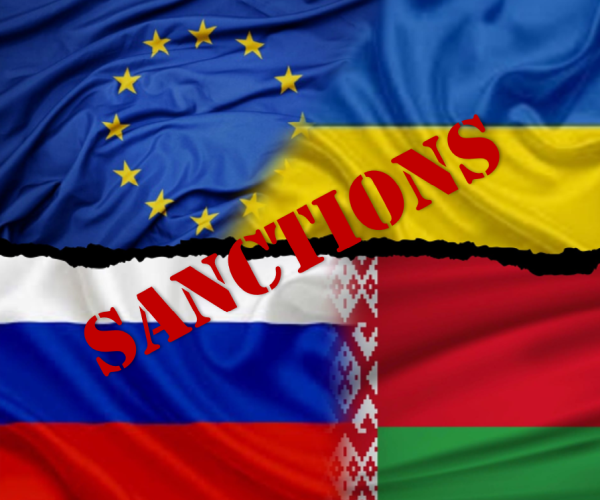
20° SANCTIONS PACKAGE
On 23 April 2026, the 20th package of restrictive measures against Russia was adopted, which includes Regulation 506/2026 amending Regulation 833/2014, as well as Regulation 511/2026 amending Regulation 269/2014.
A) Energy and maritime sector
Sanctions against the Russian oil sector are strengthened across production, refining, and transport. Restrictions on the “shadow fleet” are intensified with additional vessels and entities listed, alongside stricter controls on the sale of tankers to prevent their use by Russia and limits on access to ports and services.
The package also introduces measures targeting certain port infrastructures, provides for a possible future ban on the maritime transport of Russian oil in coordination with the G7, and adds new prohibitions on maintenance services and LNG terminals.
B) Financial sector
The new financial measures expand restrictions on the Russian banking system, bringing the number of banks excluded from the EU internal market to 70 and including certain third-country institutions that help circumvent sanctions.
A full ban is introduced on transactions with Russian crypto-asset service providers and decentralised platforms, as well as on the use of instruments such as the digital rouble and state-linked cryptocurrencies.
The package also restricts payment services facilitating international transactions designed to bypass sanctions, while some third-country financial entities are removed from the list after committing to cease such activities.
C) Trade sector
The trade measures introduce new bans and restrictions on exports and imports. In particular, exports to Russia of various goods are prohibited, and technologies and materials with potential military use are restricted, as well as cybersecurity services.
On the import side, the EU bans the entry of metals, chemicals, and minerals, and introduces a cap on ammonia imports, with the aim of further reducing Russia’s economic resources.
D) Military sector
The package strengthens restrictions on the Russian military industry by adding 58 new listings of companies and individuals involved in the production of weapons, including drones. Sanctions also target international suppliers of advanced technologies and dual-use goods based in various countries, accused of supporting the Russian military-industrial complex.
E) Anti-circumvention measures
The anti-circumvention measures introduce, for the first time, the activation of the EU tool against the systematic evasion of sanctions. In particular, they target the lack of enforcement by Kyrgyzstan regarding the re-export to Russia of sensitive goods, such as machinery and telecommunications equipment used in the production of drones and missiles.
The package also adds 60 new entities to the sanctions list, including Russian and third-country companies accused of directly or indirectly supporting the Russian military-industrial complex or contributing to sanctions evasion.
F) Extension of measures to Belarus
In line with previous practice, the 20th sanctions package also extends certain trade, financial, and services-related measures of the Russia sanctions regime to Belarus, through Regulation 513/2026 amending Regulation 765/2026.
